I purchased a fixed of Mcware pots with purposeful intentions, now not for instruct. A working kitchen calls for cookware that will likely be knocked around, heated each day, scrubbed, stacked, and set on a burner five minutes after the groceries hit the counter. I cook twice an afternoon for a domestic of 4, with weekend batches for the freezer and the occasional dinner for visitors. Over quite a few months of secure, incessantly rough use, I put these pots using what amounts to a homestead kitchen persistence test. This mcware pots overview specializes in how they cling up within the proper world: searing, simmering, boiling, scraping, and cleaning, now not simply vivid unboxing impressions.
What I Bought and Why
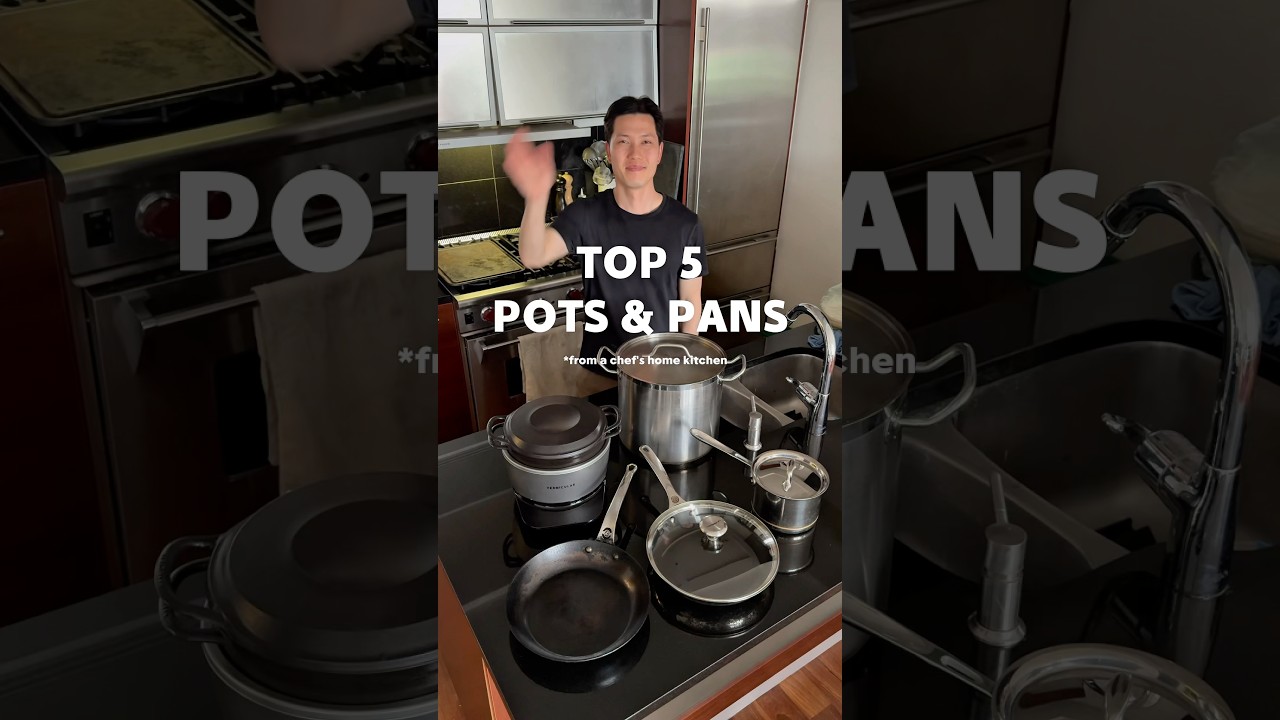
I went with a middle set anchored through a 2-quart saucepan, a 3-quart saucepan, a 6-quart stockpot, and a ten-inch sauté pan with notably instantly aspects. The lids are tempered glass with steam vents and loop handles. The marketing leans on sturdiness and day after day practicality, and the expense undercut a few improved-widely used brands via a considerable margin. I do not newborn my cookware, yet I do expect consistent outcome. For context, I rotate among forged iron for steaks and cornbread, carbon metallic for speedy searing and eggs, and a stainless tri-ply stockpot for soups. The Mcware pots had to earn house in that mix.
From day one, I aimed to determine whether these pots may want to emerge as an all-reason spine. I made metal-cut oats, tomato-situated stews, lengthy-simmered beans, and sticky rice. I used metallic spoons and silicone spatulas. I transferred pots from range to oven and returned. I soaked them, scrubbed them, and on a number of chaotic nights, I left them inside the sink except morning. If a suite can live on these behavior with out warping, peeling, or causing uneven cooking, it matches how such a lot households simply function.
First Impressions That Mattered Later
The end out of the field changed into smooth, neither flashy nor flimsy. The walls felt medium-gauge, now not as hefty as excessive-end stainless yet sturdier than funds aluminum. The bases had been reasonably thicker and claimed to be have an impact on-bonded for even heat. The interiors regarded easy and had a faint brushed texture that is helping with browning with no being abrasive. Handles have been riveted, no longer screwed. Rivets can collect dirt, but they tend to be sturdier than screws, and after months of use I have not begun to tighten something.
The lids have compatibility good, sitting with minimum play. The steam vents became out to be constructive whilst simmering or cutting back without rattling. I pick loop handles on lids as a result of they make oven transfers more straightforward with mitts, and these sit excessive ample to keep a chunk cooler. Expect them to hot up, however, tremendously on lengthy simmers.
The first day I boiled water, set the 3-quart on excessive warmness, and listened. Thin pots ping as they extend, and some more cost-effective resources of aluminum warp on that first surprise. No tinny buzz here and no warping. That was an awesome omen.
Heat Distribution and Control
Even warmness issues greater on electric powered coil or ceramic glass than on gasoline, but it concerns anywhere. I used those pots on equally a gas number and an induction burner. On gas, the 10-inch sauté pan heated speedier than my tri-ply stainless and only a hair slower than my carbon metal. On induction, response time used to be rapid, suggesting a base that plays well with magnetic fields. If your brand isn't always induction-well matched, cost the particular SKU, considering a few budget strains skip that layer. Mine worked on a portable induction burner devoid of drama.
Pancake look at various, since it all the time finds the certainty: a thin movie of batter in the sauté pan browned evenly, with a reasonably darker band over the core in which my fuel flame peaks. Rotating the pan by using a quarter flip produced uniform coloration. That is perfectly perfect for a mid-priced pan. Onion take a look at for rainy cooking: diced onions softened inside the 3-quart saucepan with no sizzling spots, which as a rule educate up as unexpected browning across the perimeter. With medium warm and a tablespoon of oil, they became translucent in five to seven minutes, no scorch ring.

Sauces told me a lot about manipulate. A cream aid for pasta held constant at a lazy simmer on low warmth, under no circumstances breaking or catching on the corners. Tomato sauces, which have a tendency to burn if the bottom runs scorching, stayed refreshing with occasional stirring. When I pushed warmness larger to slash turbo, the sauce thickened devoid of forming burnt sugar patches, that is wherein some coatings fail.
The stockpot earned have confidence in the time of a 3-hour rooster bone broth consultation. I saved the flame simply low adequate to ship a few bubbles up every second. Stability at low heat things extra than excellent-conclusion horsepower for soups, and the Mcware stored a steady convection cycle. Skimming was convenient, and not anything stuck to the lowest.
Searing, Browning, and Fond
Not each pot necessities to sear like forged iron, however the sauté pan did more beneficial than estimated. For fowl thighs, I preheated over medium-prime, delivered a tablespoon of oil, then set four thighs pores and skin facet down. I seek for uniform sizzle and for rendered fats to pool evenly. The skin browned in approximately 8 mins, with crisp edges and a fond that released with a splash of white wine. I actually have obvious more cost-effective pans produce sticky, patchy fond that burns sooner than it builds style. Here, the browning used to be usable, and deglazing pulled very nearly everything off the surface.
Burgers had been the one discipline wherein the pan showed its limits. A hard sear at excessive heat labored for the first two patties, yet through the third, warmness had outfitted inconsistently, and I saw a faint acrid scent from fats smoking close to the rivets. Dropping the warmth a notch solved it. So yes, the pan can sear, but it rewards moderation and right preheat as opposed to large-open burners.
For sensitive units like fish, the pan shined once I used a easy oil film and allowed a complete preheat. Skin-on salmon released cleanly after two minutes of touch, and the crust was once even. I may nonetheless succeed in for carbon metallic if your precedence is optimum crust on proteins. If you favor one pan to deal with sautéing greens, weeknight poultry dishes, and low steak, this one holds its own.
Durability: Scratches, Stains, and Warping Over Time
Daily use finds weaknesses that a weekend cook may never see. After months of nutrients, the exteriors demonstrate faded scuffing wherein the pots rub every single different within the cabinet. The bottoms have a faint ring from burner touch, easy for aluminum-cored bases. None of the pots have warped. I actually have set the three-quart, empty, over medium warm about a occasions by using mistake, then introduced chilly oil and additives. No visual dish outcome or wobble showed up later.
Interior wear is the real situation. I used metal spoons in the stockpot and silicone inside the saucepans by using behavior. The interiors have some hairline scuffs however nothing deeper than floor marks. Tomato-founded sauces left a hint of orange hue after the 1st few cooks, which lifted with a baking soda paste and a tender sponge. Burn checks, accidental and in any other case, did no longer scar the internal. My worst mess changed into a sticky caramel sauce that went a shade too some distance. I soaked the pan for 20 minutes, then scraped with a plastic bench scraper. No pitting, no peeling.
Rivets tend to compile brownish residue over time. A toothbrush and just a little of Bar Keepers Friend round the rivet heads kept things tidy. If you might be meticulous, budget three minutes after heavier cooks to tidy up those corners. If you usually are not, this can now not have an affect on performance, in basic terms visual appeal.
Handles have stayed tight and cool sufficient to seize naked-handed for brief tasks. During longer simmers or oven finishes, they warm up. The lid knobs feel sturdy and have no longer loosened. Silicone rings beneath the knob heads have held their structure.
Oven and Broiler Use
I commonly finish braised dishes within the oven. The sauté pan moved from stovetop to a 375°F oven without limitation. On roast bird leg quarters, I commenced on the stove to render the skin, then done for 14 minutes within the oven. The lid’s glass taken care of that temperature. I would no longer push those lids beyond the low 400s. If your recipe lives at 450°F or increased, put off the lid or use foil, since glass can rigidity.
For bread baking tests, I https://privatebin.net/?d1be2e3577e76220#D1popFKEL6nut93fTuYnrzCYMEzNTNiGZh16yeWxgssM do not have faith in non-forged cookware. Still, I attempted a bread pudding at 350°F in the stockpot as an scan with a nested bowl and water bath. No staining, no metallic transfer to taste, and the pot published the dish easily.
I do not suggest broiler use with glass lids. The pots themselves can take radiant warm for brief runs, but direct broiler publicity is the place many mid-tier traces instruct susceptible points. If you broil characteristically, forged iron or naked stainless is a more secure bet.
Everyday Usability: Lids, Pouring, and Stackability
The Mcware lids seat with a soft clink, now not a clatter. Steam vents store rolling boils below control, which is beneficial for pasta and potatoes. Pouring from the two-quart saucepan produces a sparkling circulate along the lip with minimal dripping. That seems minor till you are straining off a starch slurry and looking not to trail it down the edge of the pot.
The stockpot does now not have a integrated strainer lid, though the vent facilitates. I decide on a committed strainer besides. The instantly facets of the sauté pan permit you to stir with out tossing nutrition overboard, and so they help listen drinks for rate reductions.
The set stacks with no wobbling. I region felt pads among items due to the fact any metal-on-steel touch will ultimately teach scuffs. If you propose to hang your cookware, the loops are good and balanced, however the end will decide upon up marks from hooks over time.
Cleaning and Maintenance
Cleanup is the place a great deal of cookware wins loyalty or gets banished. These pots sparkling up quick after maximum foods. A soak in scorching water for 10 to fifteen minutes handles rice starches and cheese. For browned bits, I deglaze the hot pan with water, scrape with a silicone spatula, and pour off the liquid. That trick saves time at the sink and forestalls obdurate residue.
I dodge metal wool on any cookware I need to stay shopping first rate. A nylon scrubber is ample for this set. For occasional deep cleans, a paste of baking soda and water along with faded tension eliminates haze. Bar Keepers Friend works on the bases and round rivets. Dishwasher cycles have not hurt them, yet I still hand-wash such a lot of the time as it prolongs life and helps to keep the handles searching bigger. If you do use a dishwasher, dodge cramming the pans so tight that the edges grind into each one other.
The simply ongoing chore is sharpening out the faint discoloration that tomato and turmeric can leave. That is aesthetic, no longer useful. A fast polish once a month maintains the interiors shopping impartial in place of amber.
Performance With Specific Foods
Rice and grains: The 2-quart saucepan cooked basmati and jasmine with predictable absorption and no scorching at medium-low. For metal-reduce oats, the base browned a shade on one rushed morning once I forgot to stir, however it published actual with water and a wooden spoon. Polenta wished consistent stirring, but it really is genuine in pretty much any pan.
Tomato sauces and chilis: Several rounds, from a 30-minute marinara to a 3-hour chili. The base did now not expand sticky black islands even at some point of aggressive reduction. Flavor stayed sparkling, with out a steel tang.
Pasta: Rapid boils be counted for texture. The 6-quart stockpot reached a rolling boil in approximately 12 mins on a medium-sized gasoline burner with 4 quarts of water, that's consistent with aluminum-cored pots. Recovery after including a pound of pasta used to be immediate, approximately forty five to 60 seconds to return to a boil.
Eggs: In the sauté pan with a small butter pat, over medium-low, scrambled eggs came out creamy and did not hold. Fried eggs published quickly with a skinny film of oil after a complete preheat.
Stews and braises: Beef stew browned smartly in batches, then simmered gently for 2 and a 0.5 hours with no hotspots. The lid contained evaporation adequate that I simplest crowned up as soon as with a 1/2-cup of stock.
Where the Set Excels
These pots shine as all-motive workhorses that do not call for fussy dealing with. Heat distribution is ready, low simmer regulate is robust, and the finishes face up to well-known abuse. If your cooking leans toward soups, stews, grains, and brief sautés, you can still suppose at dwelling house. They additionally go back and forth neatly from range to oven at ordinary roasting temperatures. In my mcware pots overview checking out, their fantastic energy was consistency. They do now not demand fixed adjustment to steer clear of sizzling, and that they reply predictably to ameliorations in flame or induction settings.
Limitations You Should Know
I may not decide upon the sauté pan for repeated top-warmth steak searing on a unmarried evening. It can do it, however the pan prefers medium to medium-excessive heat. Extended periods at maximum flame bring about asymmetric fat smoking across the rivets. Also, once you wish the heavy inertia of premium tri-ply stainless for extremely-good low warm, these experience lighter. That is not very essentially a dilemma, due to the fact lighter pans are more convenient to maneuver, but it transformations the means you cook dinner. Expect just a little faster heating and more energetic control in place of the gradual, set-it-and-overlook-it behavior of thicker cookware.
The glass lids are purposeful, but they decrease intense warm use. If you frequently prepare dinner at 450 to 500°F or use the broiler, plan to switch to metal lids or foil, or reach for substitute cookware.
Finally, at the same time as the indoors floor resists staining, turmeric, paprika oil, and long tomato cooks can leave a faint tint. It cleans up with slight abrasives, however if you happen to would like pristine, stainless-like brightness with 0 maintenance, modify expectancies.
Long-Term Value and Cost of Ownership
The initial cost turned into comfortably mid-tier. Spread over a couple of years of day-by-day use, that can charge becomes ordinary to justify in the event that they preclude early failure. After months of trying out, there's no warping, no unfastened handles, and no coating breakdown. Cosmetic put on is minor and more commonly constrained to contact scuffs. Performance has now not dipped. That indicates a fair trajectory for longer ownership, exceedingly with practical care: hand-wash or light dishwasher cycles, forestall empty preheats on prime, and stack with pads.
I keep a going for walks kitchen log for testing. Over roughly a hundred and fifty makes use of across the set, there were two amazing hiccups. Once, I left rice on low and forgot it for ten added mins. The backside layer dried and evenly caught. It published with a soak and did not leave permanent marks. Another time, I tried a exhausting sear on marinated skirt steak at close to-most warmness. The crust shaped, but the pan constructed a stubborn caramelized line the place sugars pooled. That mandatory a 2nd scrubbing pass with Bar Keepers Friend. Neither adventure modified how the pots practice now.
Who Will Appreciate These, and Who Should Look Elsewhere
If your kitchen demands a reliable set which will duvet maximum projects with minimum fuss, this suits. Students going in a first rental, households cooking nightly, or any individual constructing a core kit devoid of chasing prestige brands will get their cost’s really worth. If you prioritize extremely-top-warm searing on a known groundwork, or once you want the bulletproof heft of top class stainless for decades of heirloom use, you'll be happier investing in heavier cookware for those initiatives and protecting a smaller Mcware piece for popular sauces and grains.
Cooks who cost pace will like how promptly the pots come to a boil and how quickly they reply to ameliorations. Cooks who significance presentation would would like for greater polished exteriors or steel lids, but the commerce-off is wise pricing and less complicated dealing with.
Little Details That Add Up
The vented lids cease the clatter you get with tight-becoming lids at boil, that means fewer boil-overs and less babysitting. The rim design pours cleanly, saving a shocking volume of cleanup time across the stove. The take care of geometry remains cushy all over long stirring periods. The internal conclude builds fond that really lifts with a deglaze, as opposed to turning into tough, burnt smears.
One unpredicted improvement is the load. I can take hold of the 6-quart stockpot, full of soup, and stream it from range to sink with no bracing my elbow or requesting aid. That issues for older chefs or somebody with wrist topics. Heavier isn't always consistently more beneficial, besides the fact that the cookware market pretty much equates heft with fine.
Care Tips Learned the Hard Way
I actually have simply one brief listing of habits that stored the pots trying and performing their most well known:
- Preheat on medium, now not top. Give the pan 60 to 90 seconds, then add oil. Deglaze with water ahead of moving a dirty pan to the sink. It cuts cleanup time. Use a nylon scrubber and baking soda paste for stains. Save abrasive powders for infrequent deep cleans. Stack with cushy separators to circumvent scuffs on rims and bases. Keep warmth moderate with sugary marinades. High sugar plus excessive warmness makes difficult-to-blank lacquer.
These will not be original to Mcware, but they pay off.
Final Take
After months of day after day cooking, the Mcware pots have earned their region in my rotation. They warmness calmly adequate, simmer fantastically, and recover from small abuses devoid of drama. They do now not try to be boutique cookware, and that's part of their attraction. In a kitchen where dinner desires to be on the table at 7 and the sink needs to be transparent by 8, reliability and predictability count greater than showroom gloss.
If you wish a set that balances rate, functionality, and toughness, that's a wise buy. Pair it with a solid iron skillet for high-warm searing and a sheet pan for the broiler, and you'll quilt 95 percent of day-to-day cooking. The leisure comes down to your conduct. Treat them kind of smartly, and they'll maintain handing over secure results long earlier the newness period. That, more than any lab spec, is what durability looks as if at dwelling.