Aluminum stock pots occupy a candy spot in lots of kitchens: less expensive, not easy, and predictable over a giant burner. Mcware’s glowing, spun-aluminum pots reveal up at crawfish boils, concession stands, and in homestead kitchens wherein gumbo occurs in real volumes. This mcware pots review leans on what topics once you the truth is cook dinner with them: warmth conduct, lid match, longevity, and whether the price holds up once the honeymoon shine fades.
I’ve cooked with Mcware in two very completely different contexts. One set lived in a own family camp kitchen on the Gulf Coast, doing shrimp boils, gumbo, and crimson beans. Another sat on a eating place prep line, most often for blanching veggies, simmering stock, and reheating broad-batch soups. Between both, I’ve dealt with the 8-, 12-, sixteen-, and 24-quart sizes, plus the smaller sauce pots. If you in simple terms realize stainless, bare aluminum will shock you, broadly speaking in fabulous techniques, with about a quirks you desire to organize.
What Mcware Pots Are Made Of
Mcware pots are spun from comparatively thick gauge aluminum, with a brushed exterior and a bare, unfinished interior. There’s no nonstick coating, no teeth, no cladding. Handles can range via mannequin and creation run, but normally you get durable, riveted part handles on the bigger pots and a loop or stick manage on smaller sauce pots. The lids also are aluminum, light-weight, and in good shape somewhat well in preference to airtight.
Why this concerns: aluminum conducts warmness roughly 15 to twenty occasions more desirable than stainless and approximately three occasions stronger than solid iron via conductivity metrics. That translates into swifter warm-up, greater lateral unfold, and fewer scorched hotspots in case you’re cooking liquids or anything else that moves as it cooks. On the flip facet, aluminum is softer than steel and may pit or warp under abuse, and naked aluminum reacts with acidic cuisine for those who simmer for long sessions.
How They Heat on Real Burners
On a gasoline range, an eight- or 12-quart Mcware pot comes to a simmer in a hurry. Toss in aromatics for gumbo and you’ll see a immediate bloom without burning, provided that the warmth is moderated after the preliminary blast. The 16- and 24-quart sizes are happiest on greater burners, turkey-fryer backyard jewelry, or a prime-output vary. On an anemic house stove with 8,000 to ten,000 BTU burners, which you can nonetheless make soup, however the time to boil crawfish or a pasta load piles up.
Electric coil or radiant glass tops ask for staying power and flat bottoms. Mcware pots almost always reward a decently flat base straight out of the field. Over years of rough use, exceptionally for those who slam a scorching pot into bloodless water within the sink, you can still coax a moderate wobble into the lowest. That reveals up as a faint ring of touch on a pitcher height and slower warm move. On induction, these pots in reality gained’t work unless you employ a converter disc. I’ve tried a disc in a pinch; it’s clumsy and wastes warmth. If your customary cooktop is induction, Mcware isn't really a sensible collection.
One behavior that surprises stainless-purely chefs is how aluminum spreads warm along the sidewalls. The pot’s facets get scorching and stay hot. That allows for evaporation and reduces the blistered-ring effect where liquid meets metal on the floor line. I’ve simmered tomato sauce in a medium Mcware pot whereas stirring each short time and had less sticking than in a skinny stainless stockpot. That spoke of, once you crank the burner and walk away, sugar-heavy sauces will nonetheless caramelize and stick, just greater lightly than in a terrible stainless pan.
Lid Fit, Evaporation, and Flavor
The Mcware lid is light and not at all clamps down the means a heavy stainless lid does. You get a stable waft of steam even at a low simmer. For broths and gumbo, I like that. Aromas break out, scum skims effectively, and also you curb to the flavor you need with out babysitting. If you’re trying to maintain rice or beans on a strict hydration track, plan to alter water upward. On the eight- and 12-quart sizes, the lid are compatible is tighter and behaves towards a basic stockpot. On the 16- and 24-quart, assume extra evaporation. On a crawfish boil, that’s no longer a situation. On a chili that wants a two-hour simmer, you’ll upper up a few times.
Handling: Weight, Balance, and Practical Touches
This is a category the place Mcware shines. Even a 16-quart pot loaded with soup is attainable by one user, since the pot itself weighs less than same stainless. The riveted handles reside cooler than chances are you'll predict on a quick simmer, yet over lengthy, rolling boils they warmth up. Keep a towel or mitt in reach.
Pouring is serviceable, not swish. The rim has a subtle flare, which supports, but in case you’re decanting inventory into containers, I’d noticeably ladle or use a spigot in case your setup has one. The aluminum lid manage warms briefly. It’s not as finger-friendly because the silicone-wrapped knobs you notice on top class cookware. Not a dealbreaker, just a specific thing to recognize.
Cleaning is easy: soak, wipe, and finish with a nylon scrub pad. Avoid steel wool, which will gouge. A grey patina builds with time, and that’s widespread. It’s the pot’s model of seasoning, nonetheless now not the comparable chemistry as cast iron.
Durability in the Real World
Grocery-retailer aluminum pots can dent for those who seriously look into them incorrect. Mcware sits above that tier. The better pots have satisfactory wall thickness to https://stephenzvdj545.yousher.com/mcware-pots-review-materials-safety-and-cooking-experience-1 shrug off bumps with tongs or skimmers. I’ve visible two failure modes over years of heavy use. First, rivets can loosen a bit, exceedingly on pots lifted when extremely popular and full. Tightening is not real looking for the moderate person. If you feel play in a cope with, retire the pot from complete-extent duty and use it for lighter tasks. Second, pitting can occur inside the pot in case you go away saltwater, brine, or acidic tomato overnight. It starts off as pinpricks, then grows into stupid patches. It will not hurt you, but it roughens the floor and makes stuck-on bits more obdurate.
If you treat them with normal respect, expect a service life of 5 to 10 years in a dwelling kitchen, longer in the event you rotate pots and avoid storing meals in them. In a advertisement prep surroundings the place pots see day-by-day boils, a lot of salt, and immediate sit back-downs, 3 to 5 years is functional ahead of you retire or demote one.
Reactivity and Food Safety
Bare aluminum reacts with good acids and bases. That potential lengthy simmers with tomato, wine, vinegar, or lemon can pick out up a faint steel observe and go away the interior mild gray. If you’re making immediate marinara that finishes in half-hour, you'll be able to not be aware. If you’re stewing tomato-heavy chili for 3 hours, you can. A skinny scattering of cream or butter within the sauce reduces this impact, yet it doesn’t remove it. For something with top acidity and long simmer times, I switch to enamel-lined solid iron or stainless. For boiling, steaming, blanching, inventory, gumbo, beans, or seafood boils, Mcware is in its point.
Aluminum and dementia issues resurface periodically. Modern consensus from delicacies protection experts is that riding aluminum cookware is protected. The higher trouble is off flavors and pitting with acidic ingredients, not health and wellbeing dangers from cooking with aluminum in common use.
Sizing: Which Pot Does What Best
If you cook for 4 to six, the 8-quart Mcware pot is the weeknight workhorse. It handles soups, pastas, beans, and small seafood boils. The 12-quart steps in for those who want leftovers or want room for a full fowl plus aromatics for inventory. The sixteen-quart is the place gumbo starts offevolved to sense generous and a boil starts offevolved to suppose like a celebration. The 24-quart is a true event pot, heavy while full and at house on an outside burner.
Smaller sauce pots in the 2- to four-quart selection behave greater like fast-heating saucepans. They’re tremendous for blanching veggies, warming sauces, and cooking grains that aren’t too sticky. For risotto or custards, I want stainless with a heavier base seeing that the slower reaction provides you a smoother journey. Mcware’s top conductivity rewards attentiveness. It punishes inattention with a scorch line then you need to scrub.
Comparisons: Mcware vs Stainless vs Enamel vs Nonstick
Against entry-degree stainless stockpots, Mcware heats sooner and greater flippantly and charges much less for the quantity. Stainless resists pitting and has fewer flavor interactions with acidic ingredients. If I had in simple terms one pot and cooked many tomato sauces, I’d pick out stainless. If I cared approximately boils and broths and velocity, Mcware wins.
Against teeth-on-metallic canning pots, Mcware is greatly superior. Those tooth pots are skinny, chip with no trouble, and scorch at the bottom. Mcware is thicker, steadier, and extra forgiving. Against tooth forged iron, it’s apples and oranges. Enamel solid iron excels at braising and low, continuous cooking with sticky sauces. It’s heavy and small for the price, so no longer most effective for volume. Mcware is the significant-layout device for moist cooking at greater throughput.
Nonstick? Not a honest contrast. Nonstick isn’t outfitted for boils and substantial batches. And nonstick coatings spoil down lower than the style of temperatures and abrasion a crawfish boil or heavy stir may perhaps see. Mcware’s bare aluminum allows you to scrape with a wooden paddle devoid of concern.
Real-World Cooking Results
Gumbo and stews: The Mcware 12- and sixteen-quart pots are common to advocate. Brown sausage and rooster, sweat your trinity, stir in roux, and also you’ll get regular warmness with fewer tight hotspots than in lots of cut price stainless pots. You still desire to stir the roux perpetually. When I allow my take care of down as soon as and parked a refreshing roux at medium-prime when I chopped scallions, a skinny brown layer fashioned on the lowest. It lifted off with a flat picket spatula and didn’t wreck the batch, but it jogged my memory that conductivity cuts either methods.
Pasta and blanching: A giant pot of speedy-boiling water is Mcware’s playground. I can carry 6 quarts of water to a boil countless minutes turbo than in a similarly sized stainless pot at the related burner. Drop a pound of pasta or a basket of eco-friendly beans, and the recuperation is brisk. When you run a eating place prep day and need to blanch veggies, surprise, drain, and circulate on, these minutes upload up.
Seafood boils: A 24-quart Mcware pot with a propane burner makes crawfish, shrimp, and crab a trouble-free affair. The pot heats immediately and keeps a rolling boil even after you upload chilly parts. The skinny aluminum lid doesn’t seize particularly as a good deal warm as a heavier lid, however the burner output compensates. Clean the pot as quickly because it’s cool ample to handle. Saltwater left in a single day is the quickest approach to ask pitting.
Stocks: Long, comfortable simmers are wherein Mcware quietly impresses. Bring your bones to a boil, minimize to a lazy shimmer, skim often times, and enable it cross. Because the sidewalls unfold warmth effectually, I to find much less gunk baked onto the waterline when compared to reasonably-priced stainless, and the evaporation curve is predictable. If I start with 10 quarts of water, after four hours I are expecting to work out 2 to a few quarts long past, based on how vigorously I permit it run.
Tomato sauces and chilis: Here, the effects are mixed. On short simmers or when chopping the sauce with stock and fats, the flavor is smooth. On long, prime-acid chefs, a touch of metallic taste can creep in, rather if the pot is new and the inside hasn’t developed up just a little of patina. If tomato sauces are imperative to your cooking, you’ll prefer a totally different pot for these days.
Beans and grains: Beans do good as long as you’re no longer cooking very starchy forms at a exhausting boil. The even heat keeps the bean bed from burning. Barley and farro are tremendous. Sticky rice, polenta, or something you’d oftentimes make in a heavy-bottomed saucepan would require vigilance.
Maintenance That Actually Extends Life
Think of Mcware like a pickup truck: straightforward and secure, expanded by minor behavior.
- Do not save nutrients in a single day in the pot, quite salty or acidic dishes. Transfer leftovers as soon as the pot cools. Avoid thermal shock. Let a scorching pot cool formerly spraying bloodless water or putting it in a cool sink. Use nylon or wood tools. Metal on aluminum leaves scratches that invite greater sticking later. If discoloration seems to be, simmer a easy resolution of water with a tablespoon of cream of tartar or lemon juice for 10 to fifteen minutes, then rinse and dry very well. Dry formerly stacking. Trapped moisture can leave mineral spots and encourages galvanic task round rivets.
That’s the total playbook. Follow it and you’ll double the purposeful lifespan.
Price and Value
Pricing floats with size and save, however the trendy sample holds: Mcware undercuts top class stainless by a huge margin, generally by means of half of or more at the identical amount. The value according to quart is compelling for significant sizes. If you outfit a camp kitchen or desire a prep line workhorse, you can still purchase three Mcware pots for the price of 1 top class clad stainless and disguise extra scenarios.
For a abode cook who needs one extensive pot for every part, I wouldn’t call Mcware the primary resolution. It excels at moist cooking, quantity, velocity, and resilience. It isn't very the software for tender rate reductions, wine-heavy sauces, or searing. If you already very own a tight three- to 5-quart stainless saucepan and a Dutch oven, including a Mcware 12- or 16-quart pot provides you quantity devoid of overspending.

Pros, Cons, and Who Will Be Happy
Mcware’s strengths line up neatly with cooks who value throughput and ease. Weaknesses count should you are living inside the land of tomatoes and wine savings or in the event that your purely range is induction.
- Major strengths: instant or even heating for liquids, easy weight for dimension, fair pricing, uncomplicated cleansing, and difficult satisfactory for time-honored use. Real limitations: reactivity with acidic lengthy simmers, gentle steel that can pit or scratch, lids that don’t lock in steam, and incompatibility with induction with no a clumsy disc. Best fits: seafood boils, gumbo, inventory, beans, blanching, and trendy super-batch cooking. Edge cases: delicate caramel, custards, lengthy tomato stews, and any dish wherein you need lid-sealed moisture retention. Workarounds: finish acidic dishes in stainless or enamel, retailer warmness mild, and forestall in a single day garage in the pot.
These business-offs should not theoretical. They present up in day-after-day use. They’re also potential with a bit of making plans.
Buying and Sizing Tips from Use, Not Spec Sheets
If you prepare dinner for 4 almost always and now and again host, get the 12-quart first. It’s the such a lot versatile dimension I’ve used for a abode kitchen. If your calendar comprises crawfish or crab, flow immediately to sixteen or 24 quarts and spend money on an outside burner with a huge ring and as a minimum fifty five,000 BTU output. Check the pot bottom for flatness while you use a glass cooktop. Bring a straightedge or clearly set it on a shop’s flat floor and seek gaps.
Inspect rivets and take care of alignment. A uncommon misaligned address is extra annoyance than threat, but you be aware it in case you pour. If the lid rocks greater than a millimeter or two, decide on a different field. A first rate lid match subjects for simmer regulate.
Finally, funds for an extended-taken care of skimmer and a sturdy picket paddle. The pot will live longer than flimsy gear, and suitable instruments take care of the internal.
The Verdict, Tempered by way of Experience
A reasonable mcware pots review can’t pretend that one pot solves each and every dilemma. Mcware pots, in undeniable aluminum, thrive should you cook with water, inventory, or broth concerned, at scale, and at a speed. They warmness easily and frivolously, they do no longer exhaust your wrists, and they fresh up and not using a drama. They earn their store at a gumbo celebration and on a Sunday inventory day. They ask you now not to punish them with acid for hours or leave saltwater sound asleep within.
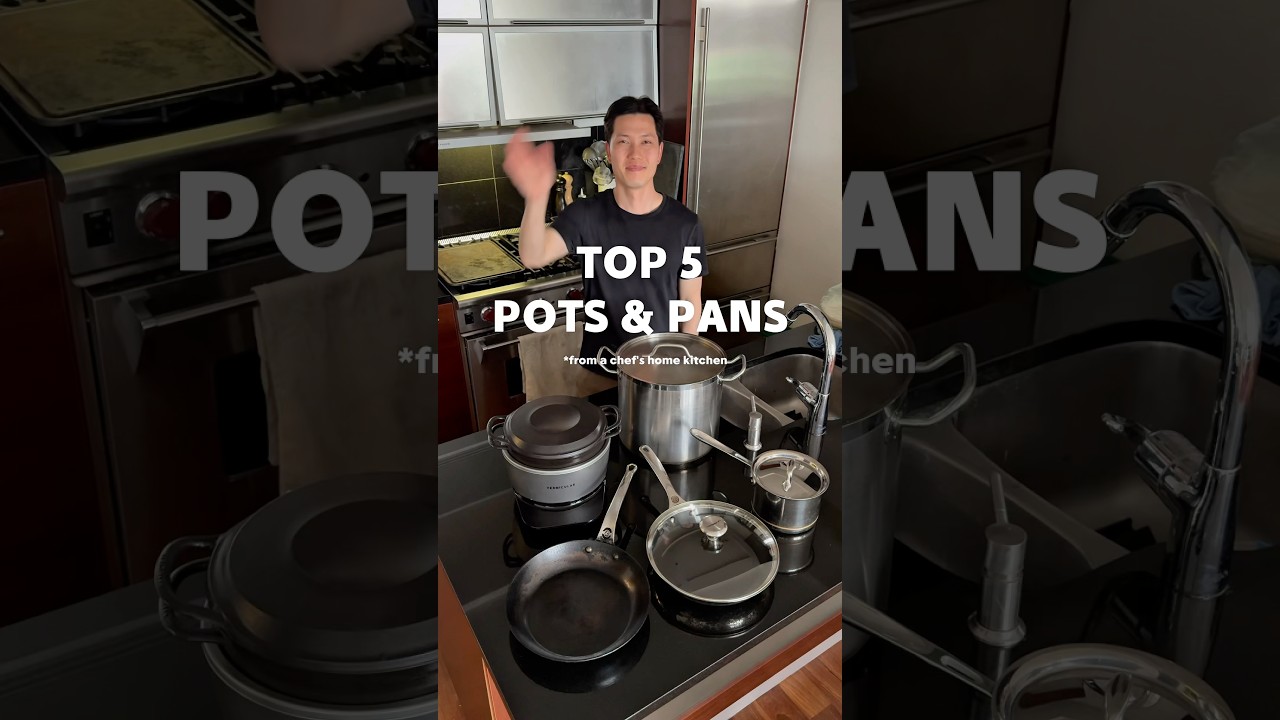
If you wish an all-around stockpot for a dwelling kitchen, go with the 12-quart. If you run a crawfish boil or batch-prepare dinner soups to freeze, the sixteen- or 24-quart feels true. If your kitchen runs on induction, bypass Mcware or plan for a completely different pot. If you wish the gloss and zero-reactivity of stainless, pay the top rate and relish distinct exchange-offs.
I shop Mcware in my rotation for the roles it does most well known. When the burner is substantial and the liquid is ample, these pots earn their shelf area. When the recipe turns acidic and sluggish, I succeed in for anything else. That balance, not manufacturer loyalty, is how maximum durable kitchen judgements get made.